 Posted by
 Introduction
Hiring students meaningfully during Classroom Interaction can challenge educators in today’s digital age. Although useful in some ways, traditional teaching techniques may not always promote active participation or deeper understanding. This is where technology tools such as Learning Catalytics (LC) come into play. Learning Catalytics is an interactive tool developed to improve student engagement by encouraging active learning through real-time feedback and cooperation. Educators can make a more dynamic and participatory understanding environment by incorporating LC into classroom activities. However, this article will examine how Learning Catalytics can enhance classroom interaction, presenting practical strategies for teachers to be involved in their teaching methods.

Enhancing Active Learning through Real-Time Feedback
One of the core advantages of Learning Catalytics is its capability to deliver direct feedback to students during class. Unlike traditional methods, where students acquire feedback after assignments or tests, LC allows instructors to interact with students in real time of classroom interaction, addressing misunderstandings and supporting concepts as they arise. However, this encourages active learning because students can directly see where they might be going wrong and correct their technique while the lesson is fresh. For instance, teachers can pose multiple-choice, polling, or open-ended problems to calculate the class’s understanding and instantly see how students respond. This data can then announce the next steps in the lesson, whether that means clarifying ideas, altering the pace, or reviewing certain topics for further discussion.
Fostering Collaborative Learning
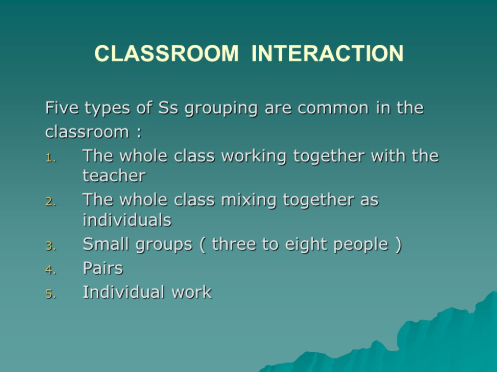
Learning Catalytics enables students to cooperate and discuss their ideas with their equivalents. This collective aspect encourages deeper learning, permitting students to engage with diverse perspectives and refine their understanding of the material. However, with components such as peer instruction, where students are asked to illustrate concepts to each other, LC allows for creating a classroom culture where students are not just tolerant recipients of information but active participants in the learning process. Tutors can also group students strategically based on their responses to LC questions, allowing them to work together on problem-solving workouts that address areas of chaos or difficulty. The capability to see how classmates answer questions also opens the door for healthy contests and discussions of classroom interaction, making the knowledge process more interactive and socially improving.
Engaging Students with Varied Question Formats
Learning Catalytics presents various question formats that can immerse students in various ways. These arrangements possess multiple-choice, ranking, numerical, short-answer, and even graphics-based questions requiring students to analyse data, images, or diagrams. However, this versatility permits instructors to present content that demands various learning styles, providing that students can interact with the material in a manner that fits their preferences of classroom interaction. For example, visual learners might help with questions that affect interpreting graphs or charts, while verbal learners might encounter more open-ended discussions. By operating different questions, instructors can break the sameness of traditional lectures and create a more dynamic and varied classroom experience. Similarly, the diverse question formats keep students on their toes, lowering the probability of disengagement or boredom.
Conclusion
Combining Learning Catalytics into the classroom gives educators a powerful tool to encourage more interactive, collaborative, and attractive learning environments. By providing real-time feedback, facilitating peer-to-peer interaction, and showing a range of question types to cater to various learning styles, LC makes an active learning environment where students are more engaged in their educational journey. As the role of technology continues to increase in education, tools such as Learning Catalytics can change the classroom experience, leading to enhanced learning outcomes and a more connected student-teacher relationship. Educators can significantly enhance classroom interaction and learning adventure by adopting this creative technology.